


The legal definition of dormant, unclaimed, or inactive bank accounts varies by jurisdiction, and there are also cases where there is no specific regulation.
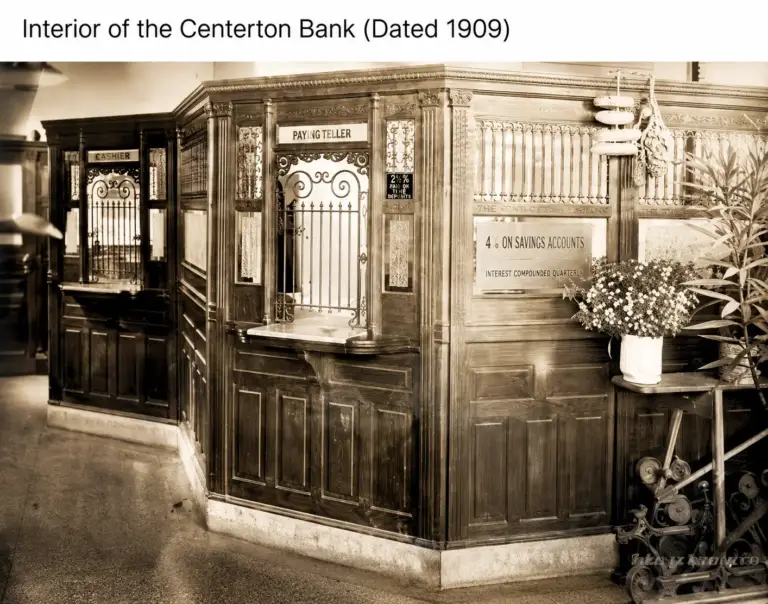
The central characteristic of these deposits is that they have remained inactive for a significant number of years and, moreover, the Bank has lost contact with the account holder or their heirs, without being able to re-establish it.
Some legal systems require Banks to transfer inactive funds to government offices responsible for holding them, allowing the account holder or their heirs to claim them either at any time or until a certain date, after which the funds become the property of the state entity. Examples include Uruguay (Art. 3 of Law 10.603 of February 23, 1945 on frozen deposits), Chile (Art. 156 of the General Banking Law on claims subject to forfeiture), and the United States, through the legislation of its different states.
Other regimes, such as the Spanish one, also provide that the sums be transferred to a state entity, but directly as property, without the owner having the right to claim them. Thus, Law 33/2003 of November 3 on the Assets of Public Administrations regulates, in Article 18, abandoned balances and deposits, providing that after twenty years without movements implying the exercise of the right of ownership by the account holder, they “become the property of the General State Administration.”
A third group of countries allows the funds to remain deposited in banking institutions indefinitely, although they implement mechanisms to facilitate their recovery by the owners. Thus, in the United Kingdom the Unclaimed Assets Register (Unclaimed Assets Register) was created, administered by the company Experian, which estimates the value of unclaimed property at fifteen billion pounds sterling.
Major financial centres characterised by strong banking secrecy and which suggested the existence of large sums of inactive money, such as Switzerland, have been subject to international pressure for greater transparency that would allow the heirs of abandoned accounts to recover them. This led the Swiss Bankers Association to issue the Guidelines for the handling of dormant accounts, custody accounts and safe-deposit boxes in Swiss Banks, in force since July 1, 2000.
Finally, there are still jurisdictions without specific regulation on the matter.