


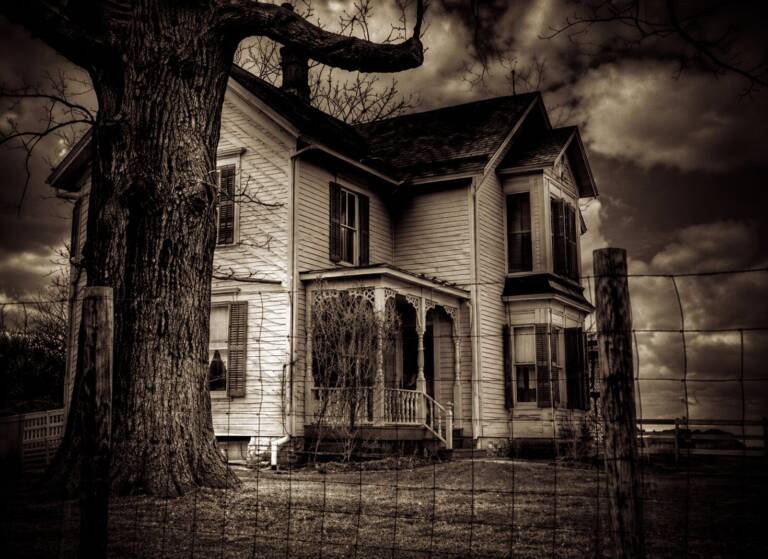
Since the times of Roman Law, the right of property has been considered perpetual, in the sense that it is not lost through the passage of time, even when the original owner or their current successors do not use the property and it remains in an apparent state of abandonment. This principle has been incorporated into most legislations (art. 832 of the Italian Civil Code, art. 348 of the Spanish Civil Code, art. 1942 of the Argentine Civil and Commercial Code, art. 582 of the Chilean Civil Code, art. 489 of the Uruguayan Civil Code, art. 1954 of the Paraguayan Civil Code, art. 669 of the Colombian Civil Code, etc.). Therefore, various migratory, family, and historical circumstances may result in having rights over real estate without knowing it, either as the exclusive owner or over an undivided portion of the property.
It may occur that a third party occupies the property, and if they meet the time periods and possession requirements provided in each legislation, they acquire the property through acquisitive prescription. However, if no one occupies the real estate, or whoever does so does not meet the requirements for prescription, the property continues to belong to its owner, or their current heirs. By the legal rule that the right of property is perpetual, this means that real estate may remain at the disposal of its owner, or their heirs, or the heirs of the latter, for an indefinite period of time.
Some state entities have the authority to incorporate into their patrimony real estate they consider abandoned. However, again, if the applicable substantive and formal legal requirements are not met, or if the owners appear in a timely manner to exercise their rights, the real estate may remain, literally for centuries, at the disposal of whoever turns out to be its owners.